

 Facebook
 X
X
 Pinterest
 Copy Link
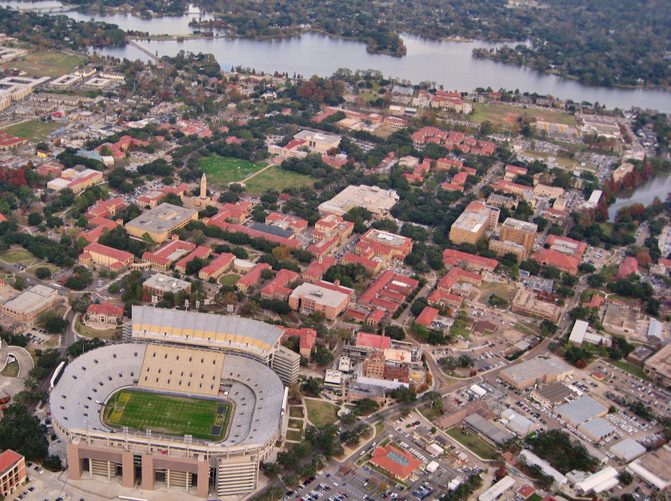
If you live in Baton Rouge, you already know the LSU Lakes aren’t just “nice to have.” They’re one of the city’s defining features; part park, part drainage system, part neighborhood anchor.
The current restoration project is one of the largest public investments in this area in decades, and it’s set to reshape not just the lakes themselves, but the surrounding neighborhoods and the broader Baton Rouge market.
Let’s break down what that really means.
A Long-Overdue Reset for the Lakes
Over time, the LSU Lakes became shallow, stagnant, and overgrown. Sediment buildup and runoff reduced water quality and depth, making the lakes less functional and less attractive.
The restoration is addressing that head-on through large-scale dredging, debris removal, and shoreline improvements. By 2026, the project is expected to be fully completed after a roughly $78 million investment.
The goal isn’t just cosmetic; it’s to create a healthier, deeper, and more sustainable lake system that will last for decades.
Flood Mitigation: A Big Deal for Homeowners
One of the most important (and often overlooked) impacts is flood control.
The LSU Lakes system plays a key role in draining surrounding neighborhoods. The restoration includes improved water flow, stormwater management, and diversion systems designed to reduce flood risk.
What that means in real life:
-
Better drainage during heavy rains
-
Less standing water in nearby neighborhoods
-
Potentially lower long-term flood risk
Why this matters for real estate:
Flood risk is one of the biggest concerns for buyers in Baton Rouge. Anything that improves drainage and resilience makes nearby homes more attractive.
This is something buyers should still verify property-by-property (flood zones, insurance, elevation certificates, etc.).
Property Values: Likely Upward Pressure Near the Lakes
In most cities, well-maintained water features and green space tend to drive value. Baton Rouge is no different.
With cleaner water, improved landscaping, and enhanced accessibility, the LSU Lakes area becomes more desirable for:
-
Primary homeowners
-
Investors
-
Out-of-town buyers relocating to Baton Rouge
Practical example:
A home on Stanford, Dalrymple, or East/West Lakeshore that backs up to a clean, usable lake is a very different product than one facing algae-filled water and mud flats.
Even homes a few streets off the lakes can benefit from:
-
Increased neighborhood appeal
-
Stronger resale demand
-
Better long-term value stability
No one can guarantee price increases, but the direction of impact is pretty clear.
Recreation and Lifestyle: A Major Upgrade
This is where most people will feel the change day-to-day.
The project includes:
-
New and improved walking paths
-
Safer and more accessible shorelines
-
Expanded green space and habitat areas
-
Better connectivity between different parts of the lakes
What that looks like locally:
-
More people walking, running, and biking around the lakes
-
Increased use similar to what you see in places like City Park in New Orleans
-
More community activity, especially on weekends
For buyers, this lifestyle factor is huge. Walkability and outdoor access are becoming more important, even in Baton Rouge.
Environmental Improvements (That Actually Matter)
This isn’t just about aesthetics.
The restoration is designed to:
-
Improve water quality
-
Restore native plant life
-
Create better habitat for birds and wildlife
-
Reduce algae and stagnation
There are already community-driven efforts—like tree planting and shoreline restoration, that show how engaged Baton Rouge residents are in this project.
Why this matters:
Healthier lakes = fewer odors, fewer mosquitoes, and a better overall experience living nearby.
A Ripple Effect Across Baton Rouge
Even if you don’t live near the lakes, this project still matters.
Large, visible improvements like this tend to:
-
Boost city pride
-
Attract new residents
-
Support nearby businesses
-
Encourage additional investment in surrounding areas
This shows momentum in Baton Rouge, which can influence how people view the city as a whole.
What to Watch (and Verify Locally)
As with any major project, there are a few things worth keeping an eye on:
-
Final timeline: Expected around 2026, but construction projects can shift
-
Traffic and access changes: Especially around May Street and Stanford
-
Future maintenance: Long-term success depends on ongoing upkeep
-
Insurance impact: Flood improvements don’t automatically change flood zones
These are all worth confirming with local agents, the parish, or flood insurance providers;The Bottom Line
The LSU Lakes restoration is more than a facelift—it’s a long-term investment in Baton Rouge’s infrastructure, quality of life, and real estate market.
You can expect:
-
Better flood resilience
-
Stronger property appeal near the lakes
-
Improved outdoor living and recreation
-
A more polished, desirable Baton Rouge overall
For buyers and sellers alike, this is the kind of project that quietly reshapes a market over time.
Thinking About Buying or Selling Near the Lakes?
If you’re considering a move near the LSU Lakes; or wondering how this project affects your home’s value; I’m happy to walk you through it.
Reach out anytime for a quick, local perspective tailored to your property or search
John Musso
5025 Bluebonnet Boulevard, Baton Rouge, LA 70809
(225) 939-8648
MOVE WITH MUSSO
 JOHN MUSSO