Musso Market Insights April 21, 2026

Which surrounding environmental, economic, and neighborhood conditions have the greatest impact on residential sale prices, value appreciation, and depreciation?

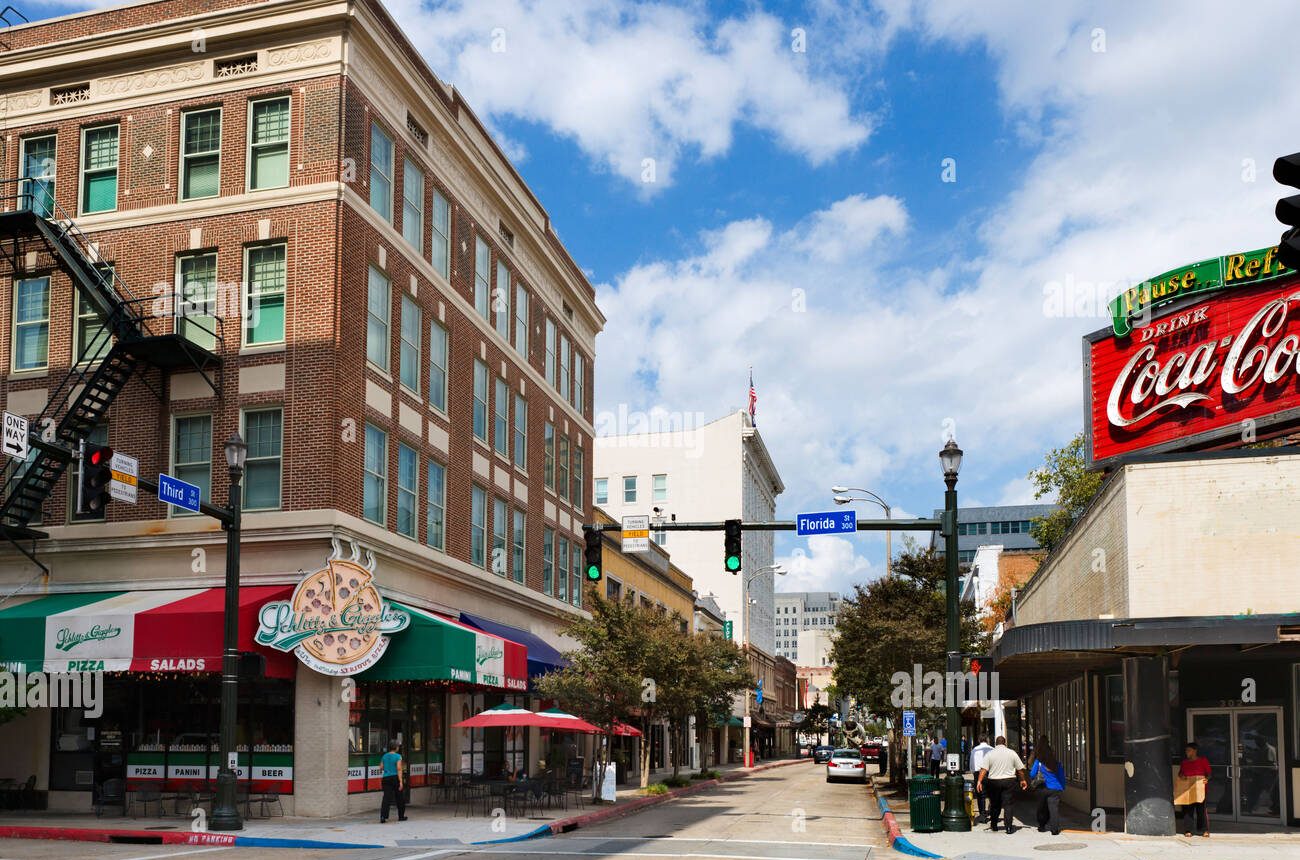
When it comes to home values in Baton Rouge, price isn’t driven by just the house itself. What surrounds the property, environmentally, economically, and at the neighborhood level, often has a bigger impact than people realize.

If you’re buying or selling, understanding these factors can help you price correctly, avoid surprises, and make better long-term decisions.

Let’s break down the ones that matter most in our local market.

Environmental Factors: The Baton Rouge Reality

Flood Risk (This is #1 here, by far)

In South Louisiana, flood risk isn’t just a detail, it’s a pricing driver.

A significant portion of Baton Rouge properties face some level of flood exposure, with roughly 27% at risk of severe flooding over the next 30 years.

That shows up in three ways:

  • Buyer hesitation
  • Insurance costs
  • Resale value

Two homes can be nearly identical, but if one is in a higher-risk flood area, or even has a history of flooding, it can sell for noticeably less or sit longer.

Practical example:
A home in a preferred school district but with prior flood history may struggle to compete with a similar home in a lower-risk zone, even if the location is otherwise strong.

What to verify locally:

  • FEMA flood zone designation
  • Flood history disclosures (required in Louisiana)
  • Current flood insurance quotes (these have been changing)

Insurance Costs (Quietly impacting values)

Insurance, especially wind and flood, has become a bigger conversation in Louisiana.

Baton Rouge has an “extreme” wind risk exposure due to hurricanes and severe storms.

Higher insurance costs:

  • Reduce buyer affordability
  • Limit your buyer pool
  • Put downward pressure on pricing

Simple reality: If it costs significantly more to own monthly, buyers adjust what they’re willing to pay upfront.

Heat, Drainage, and Development Patterns

This is less talked about, but matters locally.

As Baton Rouge continues to develop, drainage and infrastructure don’t always keep pace. Some areas that historically didn’t flood can now experience water issues after heavy rain.

What buyers notice:

  • Standing water after storms
  • Poor drainage in subdivisions
  • Nearby construction changing runoff patterns

These don’t always show up on paper—but they absolutely affect perception and value.

Economic Factors: What’s Driving Demand

Interest Rates and Buyer Power

Even though prices in Baton Rouge have been relatively stable—with modest year-over-year changes around 0.4% to 0.6% recently, what really moves the market is affordability.

When rates rise:

  • Buyers qualify for less
  • Demand softens
  • Homes sit longer

We’re currently in a more balanced market, where homes are taking around 40–60 days to sell on average.

That means pricing and condition matter more than they did in the ultra-competitive years.

Job Centers and Growth Corridors

In Baton Rouge, location is often tied to where people work.

Areas that consistently perform well tend to have:

  • Easy access to LSU
  • Proximity to downtown or medical corridors
  • Access to major routes like I-10 and I-12

Example:
Neighborhoods off Burbank, Perkins, and Bluebonnet often hold value better because they offer convenience to major employment and lifestyle hubs.

When commute times increase, buyer demand usually drops, and so does pricing strength.

Supply and Inventory

Inventory levels directly affect pricing power.

Right now, Baton Rouge has a more balanced supply, with homes not flying off the market overnight.

That creates:

  • More negotiating room for buyers
  • More competition for sellers

What that means:
Homes that are overpriced or poorly positioned will sit, and eventually sell for less.

Neighborhood Factors: Where Value Is Won or Lost

School Districts

Even for buyers without kids, school zones matter.

They influence:

  • Resale value
  • Buyer demand
  • Long-term appreciation

Certain school zones in Baton Rouge consistently outperform others. This is one of the most stable value drivers over time.

What to verify locally:
School zoning can change. Always confirm current boundaries.

Subdivision Reputation and Consistency

Buyers pay attention to:

  • How well homes are maintained
  • Whether values feel stable
  • The overall “feel” of the neighborhood

A well-kept subdivision with consistent pricing will outperform a mixed or declining area, even if homes are similar in size and age.

New Construction vs. Established Areas

New construction can either help or hurt nearby values.

  • In strong areas, it can push values up
  • In oversupplied areas, it can create competition and cap resale prices

Example:
If a buyer can get a brand-new home nearby for a similar price, older homes need to be priced accordingly to compete.

Amenities and Lifestyle

Walkability isn’t as big here as in NYC, but lifestyle still matters.

In Baton Rouge, value is influenced by:

  • Proximity to restaurants and retail (Perkins Rowe, Mid City, etc.)
  • Access to parks and outdoor spaces
  • General convenience

Homes that “fit” how people live tend to sell faster and for stronger prices.

Putting It All Together

No single factor determines value, it’s how they stack together.

A home with:

  • Low flood risk
  • Reasonable insurance
  • Strong school zone
  • Good location

…will consistently outperform one missing even one or two of those pieces.

On the flip side, a home can look great online, but if it has flood concerns, high insurance, or a weaker location, buyers will price that in quickly.

Final Thoughts

In Baton Rouge, the biggest drivers of home value aren’t just square footage or finishes—it’s what surrounds the property.

Flood risk, insurance costs, location, schools, and overall neighborhood quality all play a role in whether a home appreciates, holds steady, or declines.

If you’re buying, these factors help you avoid costly mistakes.
If you’re selling, they determine how you should price and position your home.

If you’re thinking about buying or selling in Baton Rouge, I can walk you through how these factors apply to your specific property or area—so you’re making decisions based on reality, not guesswork

John Musso

5025 Bluebonnet Boulevard, Baton Rouge, LA 70809

(225) 939-8648

MOVE WITH MUSSO
Musso Market Insights April 20, 2026

How to Price Your Home Right (So It Doesn’t Sit) & The Best Way to Market Your Home for Maximum Exposure

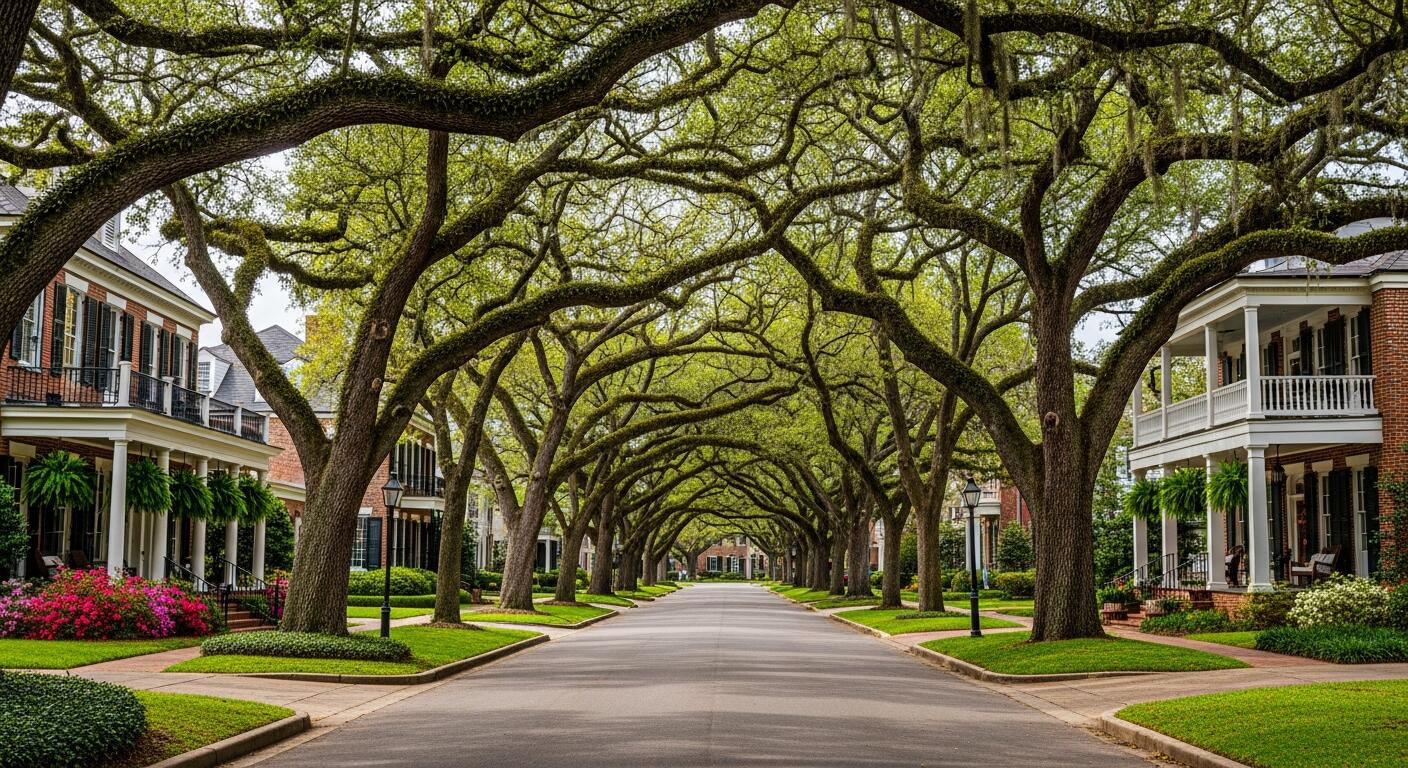
If there’s one mistake that causes homes to sit in the Baton Rouge market, it’s this: pricing based on hope instead of reality.

Buyers today are more informed than ever. They’re watching new listings daily, comparing price per square foot, and they know when something feels off. If your home hits the market even slightly overpriced, it doesn’t just get ignored, it gets labeled.

And once a listing gets that “something’s wrong here” perception, it’s hard to shake.

The first 7–10 days matter most

This is when your home gets:

  • The most online views
  • The most showing requests
  • The most serious buyers

If you miss that window by being overpriced, you don’t get it back. Instead, you end up chasing the market with price reductions.

What pricing correctly actually looks like

In Baton Rouge, pricing isn’t about picking a number you like, it’s about positioning.

A strong pricing strategy looks like:

  • Slightly under or right at the most recent comparable sales
  • Competitive with current active listings (your real competition)
  • Attractive enough to create urgency

For example:

If similar homes in your neighborhood are selling around $450K, pricing at $469K because “we can negotiate” is risky. Buyers may never even schedule a showing.

But pricing at $445K–$455K?
Now you’re in the conversation, and possibly creating multiple offers.

Local nuance matters (a lot)

Baton Rouge is not one uniform market. Pricing a home in:

  • Southdowns
  • Mid City
  • Prairieville
  • Downtown condos

…all requires a different approach.

Even within the same neighborhood, condition, updates, and layout can swing value dramatically.

This is where working with someone who knows the micro-markets, like John Musso or Move With Musso, actually makes a difference.

Flag to verify locally: Recent comparable sales (“comps”), current inventory levels, and buyer demand in your exact neighborhood should always be pulled fresh before pricing.


Pricing gets buyers interested.
Marketing is what makes them act.

And this is where a lot of listings in Baton Rouge fall short.

It starts with how your home looks online

Over 95% of buyers start their search online. That means your home’s first showing isn’t in person, it’s on a screen.

If your listing photos don’t stand out, you’re losing buyers before they ever step foot inside.

What works:

  • Professional photography (non-negotiable)
  • Twilight or sunset edits (these perform extremely well locally)
  • Clean, bright interiors that feel move-in ready

You saw this yourself with your own listing photos, when done right, they don’t just show the home, they sell the lifestyle.

Your listing needs a narrative, not just facts

Most listings read like this:
“3 bed, 2 bath, granite countertops, nice backyard.”

That doesn’t move anyone.

A strong listing tells a story:

  • What it feels like to live there
  • Who the home is perfect for
  • Why this location matters

For example:

Instead of “downtown condo,” you position it as:
“Walkable downtown living with river views, ideal for professionals or empty nesters who want low-maintenance luxury.”

That’s a completely different emotional pull.

Exposure isn’t just MLS anymore

Getting your home on MLS is expected. That’s the baseline.

Real exposure in Baton Rouge comes from:

  • Targeted social media (especially Instagram + Facebook ads)
  • Email campaigns to local agents and buyers
  • Direct outreach to agents with active buyers
  • Strategic timing (listing mid-week vs weekend can matter)

A well-marketed home should feel like it’s everywhere for a short period of time.

The goal: create momentum, not just visibility

The best listings don’t just get seen, they create urgency.

That looks like:

  • Multiple showings in the first few days
  • Buyers asking about other offers
  • Strong initial interest that leads to leverage in negotiations

And that only happens when pricing + presentation + exposure all align.

Common Mistakes That Cause Homes to Sit

You’ll see these over and over in Baton Rouge:

  • Pricing high “to leave room to negotiate”
  • Using average or outdated photos
  • Listing with no real marketing plan
  • Ignoring feedback from early showings
  • Letting the home sit too long without adjusting strategy

The market is forgiving, but only to a point.

Final Thoughts

Selling a home today isn’t about luck, it’s about positioning.

Price it right, and you create demand.
Market it well, and you amplify that demand.

Do both, and you don’t just sell, you sell faster, with better terms, and often for more than you expected.

If you’re thinking about selling, the best first step is simple:
Get a real, local pricing strategy and marketing plan tailored to your home.

Reach out to John Musso or Move With Musso, and I’ll walk you through exactly how to position your property to stand out, and sell, with confidence.

THE NEXT MOVE IS YOURS

John Musso

5025 Bluebonnet Boulevard, Baton Rouge, LA 70809

(225) 939-8648

MOVE WITH MUSSO

Musso Market Insights April 16, 2026

What the LSU Lakes Restoration Means for Baton Rouge Real Estate and Community Life

If you live in Baton Rouge, you already know the LSU Lakes aren’t just “nice to have.” They’re one of the city’s defining features; part park, part drainage system, part neighborhood anchor.

The current restoration project is one of the largest public investments in this area in decades, and it’s set to reshape not just the lakes themselves, but the surrounding neighborhoods and the broader Baton Rouge market.

Let’s break down what that really means.

A Long-Overdue Reset for the Lakes

Over time, the LSU Lakes became shallow, stagnant, and overgrown. Sediment buildup and runoff reduced water quality and depth, making the lakes less functional and less attractive.

The restoration is addressing that head-on through large-scale dredging, debris removal, and shoreline improvements. By 2026, the project is expected to be fully completed after a roughly $78 million investment.

The goal isn’t just cosmetic; it’s to create a healthier, deeper, and more sustainable lake system that will last for decades.

Flood Mitigation: A Big Deal for Homeowners

One of the most important (and often overlooked) impacts is flood control.

The LSU Lakes system plays a key role in draining surrounding neighborhoods. The restoration includes improved water flow, stormwater management, and diversion systems designed to reduce flood risk.

What that means in real life:

  • Better drainage during heavy rains

  • Less standing water in nearby neighborhoods

  • Potentially lower long-term flood risk

Why this matters for real estate:
Flood risk is one of the biggest concerns for buyers in Baton Rouge. Anything that improves drainage and resilience makes nearby homes more attractive.

 This is something buyers should still verify property-by-property (flood zones, insurance, elevation certificates, etc.).

Property Values: Likely Upward Pressure Near the Lakes

In most cities, well-maintained water features and green space tend to drive value. Baton Rouge is no different.

With cleaner water, improved landscaping, and enhanced accessibility, the LSU Lakes area becomes more desirable for:

  • Primary homeowners

  • Investors

  • Out-of-town buyers relocating to Baton Rouge

Practical example:

A home on Stanford, Dalrymple, or East/West Lakeshore that backs up to a clean, usable lake is a very different product than one facing algae-filled water and mud flats.

Even homes a few streets off the lakes can benefit from:

  • Increased neighborhood appeal

  • Stronger resale demand

  • Better long-term value stability

No one can guarantee price increases, but the direction of impact is pretty clear.

Recreation and Lifestyle: A Major Upgrade

This is where most people will feel the change day-to-day.

The project includes:

  • New and improved walking paths

  • Safer and more accessible shorelines

  • Expanded green space and habitat areas

  • Better connectivity between different parts of the lakes

What that looks like locally:

  • More people walking, running, and biking around the lakes

  • Increased use similar to what you see in places like City Park in New Orleans

  • More community activity, especially on weekends

For buyers, this lifestyle factor is huge. Walkability and outdoor access are becoming more important, even in Baton Rouge.

Environmental Improvements (That Actually Matter)

This isn’t just about aesthetics.

The restoration is designed to:

  • Improve water quality

  • Restore native plant life

  • Create better habitat for birds and wildlife

  • Reduce algae and stagnation

There are already community-driven efforts—like tree planting and shoreline restoration, that show how engaged Baton Rouge residents are in this project.

Why this matters:

Healthier lakes = fewer odors, fewer mosquitoes, and a better overall experience living nearby.

A Ripple Effect Across Baton Rouge

Even if you don’t live near the lakes, this project still matters.

Large, visible improvements like this tend to:

  • Boost city pride

  • Attract new residents

  • Support nearby businesses

  • Encourage additional investment in surrounding areas

This shows momentum in Baton Rouge, which can influence how people view the city as a whole.

What to Watch (and Verify Locally)

As with any major project, there are a few things worth keeping an eye on:

  • Final timeline: Expected around 2026, but construction projects can shift

  • Traffic and access changes: Especially around May Street and Stanford

  • Future maintenance: Long-term success depends on ongoing upkeep

  • Insurance impact: Flood improvements don’t automatically change flood zones

 These are all worth confirming with local agents, the parish, or flood insurance providers;The Bottom Line

The LSU Lakes restoration is more than a facelift—it’s a long-term investment in Baton Rouge’s infrastructure, quality of life, and real estate market.

You can expect:

  • Better flood resilience

  • Stronger property appeal near the lakes

  • Improved outdoor living and recreation

  • A more polished, desirable Baton Rouge overall

For buyers and sellers alike, this is the kind of project that quietly reshapes a market over time.

Thinking About Buying or Selling Near the Lakes?

If you’re considering a move near the LSU Lakes; or wondering how this project affects your home’s value; I’m happy to walk you through it.

Reach out anytime for a quick, local perspective tailored to your property or search

John Musso

5025 Bluebonnet Boulevard, Baton Rouge, LA 70809

(225) 939-8648

MOVE WITH MUSSO

Musso Market Insights April 14, 2026

What’s Happening With Inventory Levels in Baton Rouge?

If you’ve been watching the Baton Rouge real estate market over the past few years, you’ve probably noticed one thing, it’s been tight. Inventory has been one of the biggest drivers of the market, and while things are starting to shift, we’re not back to “normal” just yet.

Let’s break it down in simple, local terms so you know exactly what’s happening and what it means for you.

Inventory Has Been Limited, But It’s Slowly Improving

Over the past few years, Baton Rouge has experienced consistently low housing inventory, meaning there simply haven’t been enough homes available to meet buyer demand.

That trend didn’t disappear overnight, but we are starting to see gradual improvement.

  • Inventory in the Greater Baton Rouge area increased modestly in 2025 (around 8–9% year-over-year)
  • However, the number of new listings hasn’t surged, meaning supply is still relatively tight
  • At the same time, active listings have slightly declined into early 2026, showing that supply is still fluctuating

What this means:
There are more homes available than a couple of years ago, but not enough to create a fully balanced market.

Homes Are Sitting Longer Than During the Peak Frenzy

One of the biggest shifts from previous years is how long homes are staying on the market.

  • In 2022, homes were selling extremely fast (sometimes in days)
  • Today, homes in Baton Rouge are taking closer to 60–90 days on average

That tells us something important:

👉 Inventory isn’t just about how many homes are for sale, it’s also about how quickly they’re selling.

Practical example:
A well-priced home in Prairieville or Central may still sell quickly, but an overpriced home in the same neighborhood could sit for weeks or even months.

We’re Moving Toward a More Balanced Market

Compared to previous years, Baton Rouge is shifting away from an extreme seller’s market and moving toward something more balanced.

  • Louisiana overall is sitting around 4 months of housing supply, which is considered closer to balanced
  • Baton Rouge specifically has seen:
    • Slight increases in listings
    • Slight decreases in buyer urgency
    • More negotiation opportunities

But here’s the key:
We’re not fully balanced yet. Inventory is still not at the level where buyers have unlimited options.

Why Inventory Is Still Tight

Even with some improvement, there are a few local factors keeping inventory constrained:

1. Homeowners Are Holding Onto Low Interest Rates

Many sellers locked in very low mortgage rates a few years ago. Moving now often means taking on a higher rate, so they’re choosing to stay put.

2. New Construction Isn’t Filling the Gap Fast Enough

While there is new construction in areas like Ascension Parish and Livingston Parish, it hasn’t been enough to dramatically increase overall supply.

3. Baton Rouge Is a Stable, “Hold” Market

Unlike some markets that swing dramatically, Baton Rouge tends to be more stable. People don’t move as frequently, which naturally limits inventory.

What This Means for Buyers

If you’re buying in Baton Rouge right now:

  • You have more options than you did a few years ago
  • You may have more negotiating power
  • But you still need to act quickly on well-priced homes

Example:
A move-in-ready home in South Baton Rouge priced correctly will still attract strong interest, even in today’s market.

What This Means for Sellers

If you’re selling:

  • You still benefit from limited competition compared to historical norms
  • But pricing matters more than ever
  • Overpricing will lead to longer days on market and price reductions

This is where strategy becomes critical.

Local Insight Matters More Than Headlines

You’ll hear national headlines about inventory rising or falling, but real estate is always local.

In Baton Rouge:

  • Inventory is improving, but still constrained
  • The market is more balanced than before, but not soft
  • Conditions vary heavily by:
    • Price point
    • Neighborhood
    • Property condition

This is something that should always be verified locally with current MLS data before making decisions.

Final Thoughts

Inventory in Baton Rouge has been tight for years, and while we’re finally seeing some improvement, we’re still operating in a market where supply does not fully meet demand.

For buyers, that means opportunity, but still competition.
For sellers, it means leverage, but only with the right pricing and strategy.

Work With a Local Expert

At Move With Musso, John Musso provides clear, data-driven insight into the Baton Rouge market—so you can make confident decisions whether you’re buying or selling.

If you’re thinking about making a move, reach out for a personalized look at inventory in your specific area and price range

John Musso

5025 Bluebonnet Boulevard, Baton Rouge, LA 70809

(225) 939-8648

MOVE WITH MUSSO
Musso Market Insights April 14, 2026

How Do HOA Fees Work, and What’s Typical in Baton Rouge?

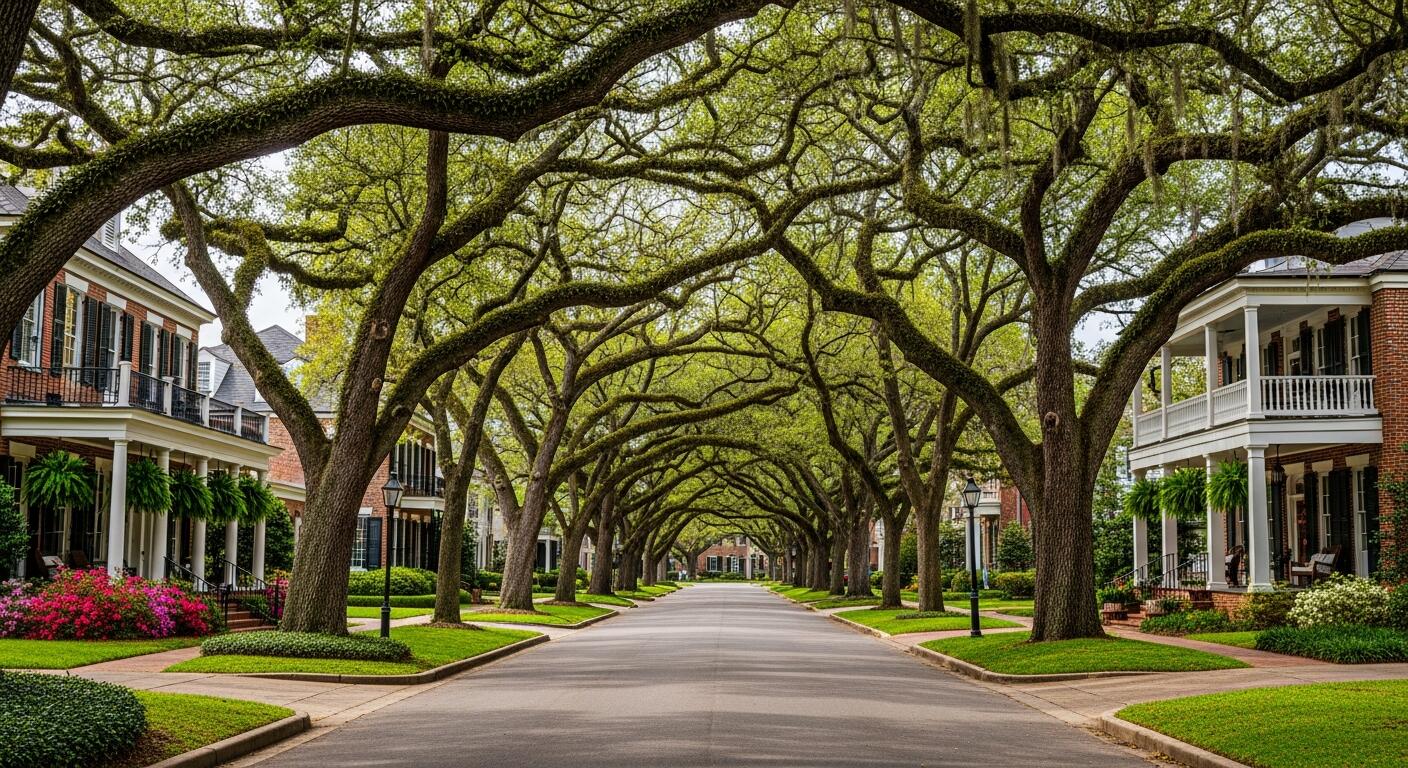
If you’re buying a home in Baton Rouge, there’s a good chance you’ll come across a neighborhood with a homeowners association (HOA).

For some buyers, HOA fees feel confusing or even unnecessary. For others, they’re a worthwhile trade-off for maintenance and neighborhood standards.

The reality is, HOA fees can vary a lot depending on the community. Understanding how they work will help you avoid surprises and make a better decision.

What HOA Fees Actually Cover

At a basic level, HOA fees are paid by homeowners in a neighborhood to maintain shared spaces and enforce community standards.

What’s included depends entirely on the subdivision.

In many Baton Rouge neighborhoods, HOA fees typically go toward things like:

  • maintaining entrances, landscaping, and signage
  • lighting and common areas
  • neighborhood security (in some cases)

In more established or higher-end communities, they may also cover:

  • private roads or drainage systems
  • community pools or clubhouses
  • gated entry maintenance

Example:
In a neighborhood with a landscaped entrance and a private gate, your HOA fee helps keep that entrance clean, well-lit, and functioning properly. Without it, those features wouldn’t be maintained consistently.

How Often Are HOA Fees Paid?

In Baton Rouge, HOA dues are most commonly paid:

  • annually
  • or quarterly

Monthly HOA payments are less common here than in larger metro areas, but they do exist in certain developments.

The amount and schedule are set by the HOA and should always be clearly outlined before you purchase.

Important: Always verify the payment structure and amount with the seller or HOA directly. This should be part of your due diligence.

What’s Typical in Baton Rouge?

There’s a wide range, but here’s the honest, local perspective.

Many neighborhoods in Baton Rouge have relatively modest HOA fees compared to larger cities.

You’ll often see:

  • lower annual dues in more traditional subdivisions
  • higher dues in gated or amenity-rich communities

For example, a neighborhood off Highland Road with a gated entrance and maintained common areas will generally have higher fees than a smaller subdivision without shared amenities.

In areas like Bocage, some homes may not have an HOA at all, while others nearby might have minimal dues focused on upkeep and neighborhood consistency.

There’s no “one number” that fits all, it truly depends on what the neighborhood offers and how it’s managed.

What HOA Fees Do NOT Cover

This is where buyers sometimes get tripped up.

In most Baton Rouge single-family home neighborhoods, HOA fees do not cover:

  • your home’s insurance
  • your roof or exterior maintenance
  • utilities

You still own and maintain your home fully.

The HOA is there to manage shared spaces and uphold neighborhood standards, not take care of your individual property.

Rules, Restrictions, and Why They Matter

Along with fees, every HOA comes with a set of rules.

These can include:

  • exterior paint colors
  • fencing guidelines
  • parking restrictions
  • approval for renovations or additions

Some buyers see this as a downside, but it can also protect property values by keeping the neighborhood consistent.

Example:
If you’re buying in a well-kept subdivision, HOA rules help prevent a neighboring home from becoming neglected or visually out of place.

That said, every HOA is different. Some are very relaxed, others are more involved.

Always review the HOA documents before closing. This is something your agent should help you obtain and understand.

Special Assessments (Something to Watch For)

Beyond regular dues, HOAs can occasionally issue what’s called a special assessment.

This is an additional charge used to cover unexpected or large expenses, like repairing a private road or replacing a neighborhood gate.

These are not common, but they do happen.

Important: Ask whether there are any pending or recent special assessments. This should be verified with the HOA or management company.

How I Advise Clients at Move With Musso

At Move With Musso, I always tell clients the same thing:

Don’t just look at the HOA fee, look at the value.

A slightly higher HOA in the right neighborhood might mean:

  • better maintained surroundings
  • stronger long-term property value
  • less visible wear and tear in the community

On the flip side, a very low HOA (or none at all) might mean fewer restrictions, but also less consistency.

It comes down to your priorities and how you plan to live in the home.

Final Thoughts

HOA fees in Baton Rouge are generally reasonable, but they vary more than people expect.

The key is understanding:

  • what you’re paying
  • what you’re getting
  • and how it fits your lifestyle

Before you buy, take the time to review the details and ask questions. It’s a small step that can make a big difference.

If you’re considering a home and want help evaluating the HOA, or finding the right type of neighborhood for you, reach out anytime.

I’m always happy to walk you through it and make sure you know exactly what you’re getting into

John Musso

5025 Bluebonnet Boulevard, Baton Rouge, LA 70809

(225) 939-8648

MOVE WITH MUSSO

Musso Market Insights April 14, 2026

What Contingencies Should You Include in Your Offer in Today’s Baton Rouge Market?

When you’re making an offer on a home in Baton Rouge, contingencies are one of the most important parts of your contract, but they’re also one of the most misunderstood.

Simply put, contingencies are protections. They give you the ability to move forward with confidence while still having an exit if something unexpected comes up.

The key is knowing which ones you actually need in this market, and how to structure them so your offer stays competitive.

The Core Contingencies Most Buyers Should Include

In Baton Rouge, there are a few contingencies that are considered standard and, in most cases, should not be skipped.

Inspection Contingency

This is your safety net.

It allows you to have the home professionally inspected and either:

  • request repairs
  • negotiate credits
  • or walk away if major issues are found

In our market, this is especially important because many homes vary widely in age, construction quality, and maintenance. From older homes near LSU Lakes to newer builds in surrounding areas, no two properties are the same.

Example:
You go under contract and discover roof damage or plumbing issues. Without an inspection contingency, you’re taking that on fully.

Financing (Loan) Contingency

If you’re getting a loan, this protects you if financing falls through.

Even strong buyers can run into issues, appraisal gaps, underwriting conditions, or changes in financials.

This contingency ensures you can exit the deal and retain your deposit if your loan isn’t approved.

Local note:
Different lenders in Louisiana can have different timelines and requirements. Always confirm timelines with your lender before setting deadlines in your contract.

Appraisal Contingency

This is often tied to your financing, but it deserves its own attention.

If the home appraises for less than your contract price, this contingency allows you to:

  • renegotiate the price
  • bring additional cash
  • or walk away

In certain Baton Rouge price points, especially in competitive or niche neighborhoods, this matters more than people realize.

Example:
You offer $525,000, but the appraisal comes in at $500,000. Without this contingency, you may be required to cover that $25,000 difference out of pocket.

Contingencies That Depend on the Situation

Not every deal is the same. Some contingencies are situational but very important depending on the property.

Sale of Your Current Home

If you need to sell before you buy, this contingency protects you.

However, in a competitive situation, this can weaken your offer. Sellers prefer buyers who are already positioned to close.

In Baton Rouge, this is common, but it needs to be handled strategically.

Flood Zone & Insurance Considerations

This is a big one locally.

Parts of Baton Rouge are in flood zones, and flood insurance can significantly impact your monthly cost.

While not always written as a formal contingency, you should:

  • verify flood zone status
  • get insurance quotes early

Important: Flood zone classifications and insurance requirements should always be verified locally with your agent and insurance provider.

Title & Property Condition

These are typically built into Louisiana contracts, but they’re still worth understanding.

  • Title contingency ensures the property has a clear title
  • Property condition clauses outline what condition the home must be in at closing

Your agent will guide you through these, but they are essential protections.

Should You Ever Waive Contingencies?

This is where strategy comes in.

In some competitive situations, buyers are tempted to waive contingencies to “win” the deal.

In Baton Rouge, this is less common than in larger markets like New York City, but it does happen, especially for well-priced homes in desirable areas.

That said, waiving contingencies increases your risk significantly.

There are smarter ways to stay competitive without removing protections entirely, such as:

  • shortening inspection periods
  • using strong earnest money deposits
  • working with a well-prepared lender

The Reality of the Baton Rouge Market

Here’s the honest truth:

Baton Rouge is not a one-size-fits-all market.

A home in Bocage will behave very differently than one in a newer development or a more rural area. The right contingencies depend on:

  • the property
  • the price point
  • the competition
  • and your financial position

This is where working with someone who understands the nuance of the local market makes a real difference.

How I Approach It at Move With Musso

At Move With Musso, my goal is simple: protect you while still positioning your offer to win.

Having worked in highly competitive environments and now focusing on Baton Rouge, I take a tailored approach to every offer. Some clients need maximum protection. Others are in a position to be more aggressive.

There is no template…only strategy.

Final Thoughts

Contingencies aren’t just contract language, they’re your protection and your leverage.

The right balance is what allows you to move forward confidently without overexposing yourself.

If you’re thinking about buying or selling and want to understand how to structure an offer that actually works in today’s Baton Rouge market, I’m happy to help.

Reach out anytime, let’s make sure you’re making smart, informed decisions from the start.

John Musso

5025 Bluebonnet Boulevard, Baton Rouge, LA 70809

(225) 939-8648

MOVE WITH MUSSO

Musso Market Insights April 13, 2026

How Do You Handle Inspection Requests and Repair Negotiations in Baton Rouge?

Inspection requests and repair negotiations are one of the most important, and often most misunderstood—parts of a real estate transaction. In Baton Rouge, this phase can feel especially nuanced because homes vary widely in age, condition, and construction style, from newer developments in the suburbs to older homes in established neighborhoods closer to town.

Handled correctly, this step keeps a deal moving forward smoothly. Handled poorly, it can create delays, frustration, or even cause a contract to fall apart.

Here’s a clear breakdown of how the process typically works and how it’s managed professionally.

Step One: The Home Inspection Sets the Tone

After a home goes under contract, the buyer typically orders a professional home inspection. This is a detailed evaluation of the property’s condition, including major systems like:

  • Roof
  • HVAC
  • Electrical
  • Plumbing
  • Structure and foundation

In Baton Rouge, inspections often also pay close attention to moisture issues, drainage, and roof age due to the local climate.

It’s important to understand: a home inspection is not a pass/fail test. Almost every home, new or old, will have some findings. The key is distinguishing between routine maintenance items and material issues that affect safety, structure, or financing.

Step Two: The Buyer Submits a Repair Request

After the inspection, the buyer typically submits a repair request (sometimes called an inspection response). This is where negotiation begins.

Requests usually fall into three categories:

  • Safety or structural issues (more serious)
  • Major system repairs (HVAC, roof leaks, plumbing failures)
  • Minor or cosmetic items (paint, fixtures, small repairs)

In Baton Rouge, a common point of negotiation might involve older roofs, AC systems working hard in summer heat, or minor moisture-related concerns depending on the property’s age and location.

Step Three: How Sellers Typically Respond

At this stage, sellers generally have three options:

1. Agree to repairs

The seller completes some or all requested repairs before closing.

2. Offer a credit instead

Instead of making repairs, the seller offers a financial credit at closing so the buyer can handle repairs themselves.

3. Decline or negotiate

The seller may refuse certain requests or counter with a reduced list of repairs.

In practice, most transactions in Baton Rouge end up somewhere in the middle, where essential issues are addressed, but cosmetic or non-essential items are often negotiated out.

Step Four: Negotiation Is About Reasonableness, Not Winning

One of the biggest misconceptions in this phase is that it’s about “winning” or “getting everything fixed.”

In reality, successful inspection negotiations are about keeping the deal together while being fair to both sides.

For example:

A buyer may request:

  • Roof replacement
  • HVAC replacement
  • New flooring throughout the home

But after discussion, the final agreement might be:

  • Roof repair (not replacement)
  • HVAC servicing and minor repair
  • Credit toward flooring instead of full replacement

This type of middle-ground solution is extremely common and helps both parties stay aligned toward closing.

Step Five: Baton Rouge Market Reality Matters

In Baton Rouge and surrounding areas, negotiation outcomes often depend heavily on:

  • How competitive the original offer was
  • Whether multiple offers were involved
  • The age and condition of the home
  • Current inventory levels in that price range

For example, in a competitive situation where a buyer competed against other offers, sellers may be less willing to make extensive repairs. On the other hand, in slower segments or older homes, buyers may have more leverage to request concessions.

Every property is different, and local market context plays a major role in how these conversations unfold.

Step Six: Timing and Communication Are Everything

Inspection negotiations happen on a strict timeline. Typically, buyers have a limited window after the inspection to submit requests, and sellers must respond within a negotiated period.

Clear communication is key during this phase. Delays or unclear expectations can create unnecessary tension and risk the transaction.

Experienced agents in Baton Rouge help manage this process by:

  • Prioritizing issues that truly matter
  • Framing requests in a reasonable way
  • Keeping both sides focused on closing the deal

A Common Baton Rouge Example

Imagine a 15-year-old home in a Baton Rouge subdivision. The inspection shows:

  • An HVAC system nearing end of life
  • A small roof leak around flashing
  • Minor plumbing drip under a sink

The buyer requests full replacement of HVAC and roof.

After negotiation:

  • Seller agrees to repair roof leak
  • Seller offers a credit toward HVAC replacement
  • Plumbing drip is fixed before closing

The deal stays intact, and both sides feel the outcome is fair.

This is a very typical outcome in real-world transactions.

Final Thoughts

Inspection and repair negotiations are not about perfection, they are about reaching a fair agreement that reflects the condition of the home and keeps the transaction moving forward.

In Baton Rouge, where homes vary widely in age and condition, this step requires balance, perspective, and a strong understanding of what is reasonable in today’s market.

Thinking About Buying or Selling in Baton Rouge?

If you’re preparing to buy or sell, having a clear strategy for inspections and negotiations can make a major difference in your outcome. Every property is different, and how this phase is handled often determines whether a deal closes smoothly or becomes stressful.

If you’d like a straightforward, local perspective on how to approach your situation, I’m always happy to help

John Musso

5025 Bluebonnet Boulevard, Baton Rouge, LA 70809

(225) 939-8648

MOVE WITH MUSSO

Musso Market Insights April 13, 2026

How Do Appraisals Typically Come In Relative to Contract Price in Baton Rouge?

If you’re buying or selling a home in Baton Rouge, one of the most common questions that comes up late in the process is: Will the appraisal match the contract price? It’s an important moment in every transaction, because it can either confirm the deal, or create a renegotiation.

The short answer is that appraisals are designed to reflect fair market value, not emotion, competition, or negotiation strategy. And in a market like Baton Rouge, where conditions can vary significantly by neighborhood and price point, appraisals can come in at, above, or below the contract price depending on the specific property and recent comparable sales.

What an Appraisal Is Really Measuring

A home appraisal is an independent opinion of value completed by a licensed appraiser, usually required by the lender. The goal is simple: confirm the home is worth what the buyer agreed to pay.

In Baton Rouge and throughout Louisiana, appraisers typically rely on:

  • Recent comparable sales (“comps”) in the area
  • Property condition and upgrades
  • Location and neighborhood trends
  • Lot size, layout, and livability factors

What’s important to understand is that appraisers are not trying to validate the negotiation, they are trying to protect the lender from over-lending on a property.

In Baton Rouge, Appraisals Often Track the Market, Not the Bidding

In balanced conditions, appraisals in Baton Rouge tend to come in close to contract price, especially when the home is priced correctly from the beginning and supported by recent comparable sales.

However, when the market becomes more competitive, such as in desirable pockets like LSU-area neighborhoods, the Garden District, University Hills, or certain parts of Zachary or Ascension Parish, it’s not uncommon for contract prices to push ahead of what recent closed sales can fully support.

In those situations, you may see one of three outcomes:

  • The appraisal matches the contract price
  • The appraisal comes in slightly below contract price
  • The appraisal comes in above contract price (less common, but possible in rapidly rising segments)

When Appraisals Come in Low

A “low appraisal” simply means the appraiser’s opinion of value is below the agreed-upon purchase price.

For example:
A home is under contract at $425,000, but the appraisal comes in at $410,000.

This creates a gap that must be addressed before the lender will move forward.

In Baton Rouge, this often happens when:

  • There are limited recent comparable sales in the immediate neighborhood
  • The home was priced based on competing offers rather than closed sales
  • Upgrades were overestimated compared to how appraisers value them
  • The market is moving faster than recorded sales data can reflect

When this happens, buyers and sellers typically renegotiate, split the difference, or the buyer brings additional cash to cover the gap, depending on the terms of the contract.

(Note: exact contract handling depends on Louisiana purchase agreement terms and should be reviewed with a licensed professional or attorney.)

When Appraisals Come in at or Above Contract

The best-case scenario is when the appraisal matches or exceeds the contract price. This usually indicates the property was priced conservatively or that recent comparable sales support upward movement in value.

In Baton Rouge, this can happen when:

  • The home is updated or renovated beyond recent comps
  • The property is in a highly desirable location with limited inventory
  • The buyer negotiated well below market value
  • The market has recently shifted upward in that specific segment

When an appraisal comes in at or above contract, the transaction typically moves forward without issue.

Why Baton Rouge Is Unique in Appraisal Behavior

Baton Rouge is not a uniform market, it’s a collection of micro-markets.

For example:

  • Homes near LSU and the lakes can behave very differently than homes in Baker or Zachary
  • New construction in certain corridors may skew comparable data
  • Flood zones and insurance considerations can influence value perception
  • Renovated homes in older neighborhoods often outperform “average comp” expectations

Because of this, two similar-looking homes can receive different appraisal outcomes simply based on location and the quality of nearby recent sales.

The Role of Strategy Before You Ever Reach Appraisal

One of the most overlooked factors in appraisal outcomes is what happens before the property goes under contract.

Pricing strategy, marketing exposure, and how demand is generated all influence the final contract price and ultimately how “supported” that price looks when the appraiser reviews it.

In many Baton Rouge transactions, strong preparation leads to smoother appraisals because the contract price is backed by:

  • Multiple buyer opinions
  • Competitive showing activity
  • Strong comparable justification

Final Thoughts

In Baton Rouge, appraisals typically come in close to contract price when the home is priced in alignment with recent comparable sales. When they don’t, it’s usually because the contract reflects buyer competition or expectations that outpace closed-market data.

The key is understanding that an appraisal is not a judgment of value, it’s a snapshot of data at a specific moment in time.

Thinking About Buying or Selling?

If you’re planning to make a move in Baton Rouge and want a clearer understanding of how your home would likely appraise, or how to position a purchase to avoid surprises, it helps to review the numbers before you go under contract.

Feel free to reach out anytime for a straightforward, local market perspective.


John Musso

5025 Bluebonnet Boulevard, Baton Rouge, LA 70809

(225) 939-8648

MOVE WITH MUSSO
Musso Market Insights April 9, 2026

How Do Prices of New Builds Compare to Similar Resale Homes in Baton Rouge?

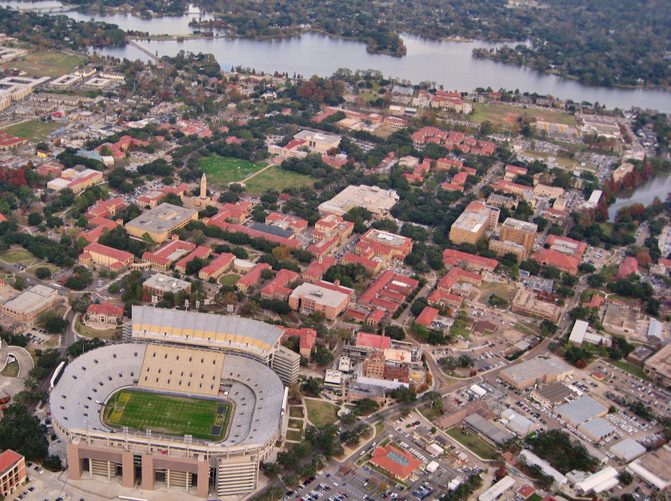
When buyers in Baton Rouge start comparing homes, one of the first questions that comes up is simple: Is it cheaper to buy new construction or an existing home?

The honest answer is, it depends on the neighborhood, the builder, and what “similar” really means. But in most cases, there are clear patterns worth understanding before you make a decision.

I feel the price on the sign is only part of the story, the real comparison is total cost and long-term value.

Let’s break it down.

The Short Answer: New Builds Often Cost More Upfront (But Not Always)

In many Baton Rouge-area neighborhoods, new construction homes tend to list higher than comparable resale homes nearby. That’s especially true in newer developments in areas like Prairieville, Zachary, Central, and parts of Ascension Parish.

But here’s where it gets interesting:

In today’s market, the gap between new builds and resale homes has tightened significantly. In some cases, new construction can even match or come in below resale pricing once builder incentives are factored in (like rate buydowns or closing cost assistance) .

So instead of thinking “new = always more expensive,” it’s better to think:

New construction = different pricing structure, not just higher pricing.

Baton Rouge Reality: Why New Homes Can Look More Expensive

In the Baton Rouge market, new builds often show higher sticker prices for a few key reasons:

1. You’re buying today’s everything

New homes reflect current building codes, materials, layouts, and finishes. Open floor plans, larger kitchens, and energy-efficient systems all cost more to build than older construction.

2. Land and location matter a lot

In growing areas like Ascension Parish or Zachary, land costs and development costs get built into the price. That can push new construction above older homes in established neighborhoods with older pricing structures.

3. Builder pricing includes upgrades

That “base price” you see in a new subdivision is rarely the final price. Most buyers add upgrades including: flooring, countertops, lighting, patios, which can significantly increase the total cost.

This is one of the biggest surprises buyers run into.

Where Resale Homes Win on Price

Resale homes in Baton Rouge often look more attractive on paper because:

  • They’re already built (no construction premium)
  • The lot is included with no “builder markup”
  • Sellers may adjust pricing based on condition or time on market
  • You can sometimes negotiate repairs or credits after inspection

In older, established neighborhoods, especially near LSU, Mid City, or parts of Baton Rouge proper, resale homes often offer more square footage for the money.

But that lower price can come with tradeoffs.

Where New Construction Can Actually Be the Better Deal

This is where a lot of buyers are surprised.

Even if the sticker price is higher, new construction can compete strongly because:

1. Builder incentives are real money

Builders often offer:

  • Interest rate buydowns
  • Closing cost credits
  • Free upgrades or design packages

Those incentives can narrow the gap significantly.

2. Lower immediate maintenance costs

With a new build, you’re not budgeting for a roof, HVAC system, plumbing issues, or major repairs in the first few years.

3. Energy efficiency saves monthly money

New homes are typically more efficient, which can mean lower utility bills compared to older homes in Baton Rouge’s hot and humid climate.

The “True Cost” Comparison Most Buyers Miss

You need to compare:

  • Purchase price
  • Monthly mortgage (after incentives)
  • Insurance estimates (older homes can vary more)
  • Expected repairs in first 5 years
  • Utility costs
  • HOA fees (more common in new subdivisions)

Once you add everything up, the gap between new and resale often shrinks more than people expect.

Pros and Cons

New Construction Pros

  • Modern layouts and finishes
  • Lower maintenance early on
  • Builder warranties
  • Energy efficiency
  • Customization options

New Construction Cons

  • Higher base price in many cases
  • Upgrade costs add up quickly
  • Longer wait times (if to-be-built)
  • HOA restrictions in many subdivisions

Resale Home Pros

  • Often lower upfront price
  • Established neighborhoods and trees
  • Larger lots in many areas
  • Faster closing timelines
  • More room to negotiate

Resale Home Cons

  • More repairs and maintenance
  • Older systems and materials
  • Less energy efficiency
  • Possible renovation costs after purchase

Baton Rouge Takeaway

In the Baton Rouge area, there is no universal rule that “new is more expensive” or “resale is cheaper.”

Instead, it really comes down to:

  • Which subdivision or neighborhood you’re in
  • How aggressive builders are with incentives
  • Condition and location of resale inventory
  • Your long-term plans for the home

In some cases, a new build in Prairieville may actually be competitive, or even cheaper monthly, than an older home in Baton Rouge once incentives are applied. In other cases, a well-priced resale in an established neighborhood will clearly win on price per square foot.

Final Thought from John Musso

If you’re buying or selling in Baton Rouge, don’t focus only on the headline price. Focus on the full picture, what you’re paying today, what you’ll spend over time, and what the home will be worth in five to ten years.

That’s where the real decision is made


John Musso

5025 Bluebonnet Boulevard, Baton Rouge, LA 70809

(225) 939-8648

MOVE WITH MUSSO

Musso Market Insights April 8, 2026

Are there upcoming policy or tax changes that could affect housing in Baton Rouge?

Yes. In Baton Rouge and across Louisiana, the biggest items to watch right now are property tax proposals at the state level, local redevelopment and blight initiatives in Baton Rouge, and broader housing policy changes that could affect affordability, inventory, and long-term carrying costs.

The important part is that some of these changes are still being debated, which means they should be treated as developing rather than final. For buyers and sellers, that usually means staying alert to what gets passed, what gets amended, and what takes effect on a local timeline.

Property tax changes

One of the clearest policy areas to watch is property tax. Louisiana REALTORS® reports that several proposals are moving through the 2026 session that could affect homestead exemptions, assessment rules, and relief for homeowners, including seniors, while other measures remain under committee review.

For Baton Rouge homeowners, that matters because property taxes directly affect monthly carrying costs and affordability. Even a change that sounds technical can shift the math for buyers deciding whether to purchase now or wait. Any final effect on your bill should be locally verified with the parish assessor or a tax professional, since parish-level implementation can vary.

Baton Rouge redevelopment

Baton Rouge also has a local housing story unfolding. The city announced a redevelopment and blight-reduction initiative using at least $6 million in federal grant funds to support neighborhood revitalization, rehab properties, and encourage first-time homeownership. The city said the effort includes grants for façade improvements and a developer pilot program, which could help bring more properties back into use.

That kind of program can matter for the housing market in a few ways. In practical terms, cleaning up blighted homes and putting more parcels back into productive use can improve neighborhood perception, support resale values, and gradually add to housing supply. Whether a specific street or neighborhood benefits most is something to locally verify.

Housing supply and affordability

At the state level, Louisiana REALTORS® says 2026 may bring a more balanced market, with modest inventory gains and the possibility of lower interest rates helping buyer affordability. That is not a guarantee, but it does suggest the market may become a little less tight than it has been in recent years.

For Baton Rouge buyers, that could mean more choices and a little more negotiating room in some price ranges. For sellers, it means pricing and presentation will matter even more, because buyers tend to be more selective when inventory improves.

What buyers should watch

If you are buying in Baton Rouge, the policies most likely to affect you are the ones tied to monthly payment, taxes, insurance, and available housing supply. A small tax change can affect how much home you can comfortably afford, and a redevelopment program can influence which neighborhoods start seeing more interest.

For example, a first-time buyer comparing two homes may find that a slightly higher tax bill or insurance cost changes which property actually fits the budget. That is why local market advice matters so much here. John Musso can help buyers compare neighborhoods, price points, and resale potential in a way that reflects current Baton Rouge conditions.

What sellers should watch

If you are selling, policy changes matter because they can affect buyer demand. Anything that improves affordability or increases inventory can change how quickly homes move and how aggressively buyers negotiate.

A neighborhood getting attention from redevelopment dollars may attract more interest over time, while property tax or insurance changes may make some buyers more cautious. That does not mean the market is slowing everywhere. It means pricing strategy should be based on your exact area, home condition, and buyer pool, not just broad headlines.

Why local verification matters

This is where Baton Rouge gets especially specific. Property tax outcomes can depend on parish rules, homestead status, and whether a home is owner-occupied or investment property. Redevelopment and zoning changes can also vary from one part of the city to another.

So while the big policy direction is worth watching, the real answer for any one buyer or seller usually comes down to the details of the parcel, the neighborhood, and the timing of the transaction. Those details should be locally verified before you make a decision.

Conclusion

Yes, there are policy and tax changes that could affect the housing market, especially around property taxes, affordability, and Baton Rouge redevelopment efforts. Some are still in progress, so the smartest move is to follow the local updates and understand how they apply to your specific situation.

If you are buying or selling in Baton Rouge, talk with a local expert who can translate these changes into plain English and a workable plan. John Musso can help you understand what matters now and what is still just moving through the process

John Musso

5025 Bluebonnet Boulevard, Baton Rouge, LA 70809

(225) 939-8648

MOVE WITH MUSSO